
Why Passage Planning is the Heart of Safe Sailing

by Heather Deary · Sun 11 Oct 2026
Passage planning is the process of working out, before you leave, how you will get from A to B safely: the route, the weather, the tides, the hazards and the arrival. It is the single most important skill in safe sailing, and it is something we build into every Wavysail trip.
Sailing isn’t just pulling ropes and steering a boat. It’s preparation. During a recent training week, I put all the navigation theory into practice: running fixes, tidal calculations, course to steer and pilotage plans. This is what I learned.
What goes into a good passage plan?
Each evening in Gibraltar, we split the planning between the crew:
- Departure: how we leave the berth or anchorage, and in what conditions
- The passage: the route, courses to steer and tidal calculations
- Weather: what the forecast says now, and what could change
- Arrival: how we enter, where we berth, and what to expect from the tide
It was detailed, often time-consuming work that sometimes kept us up until midnight. But by morning, we knew exactly what to expect and how to act when conditions changed. And conditions always change.
What happens when you ignore the passage plan
We had planned a safe route around Europa Point, staying well offshore to avoid the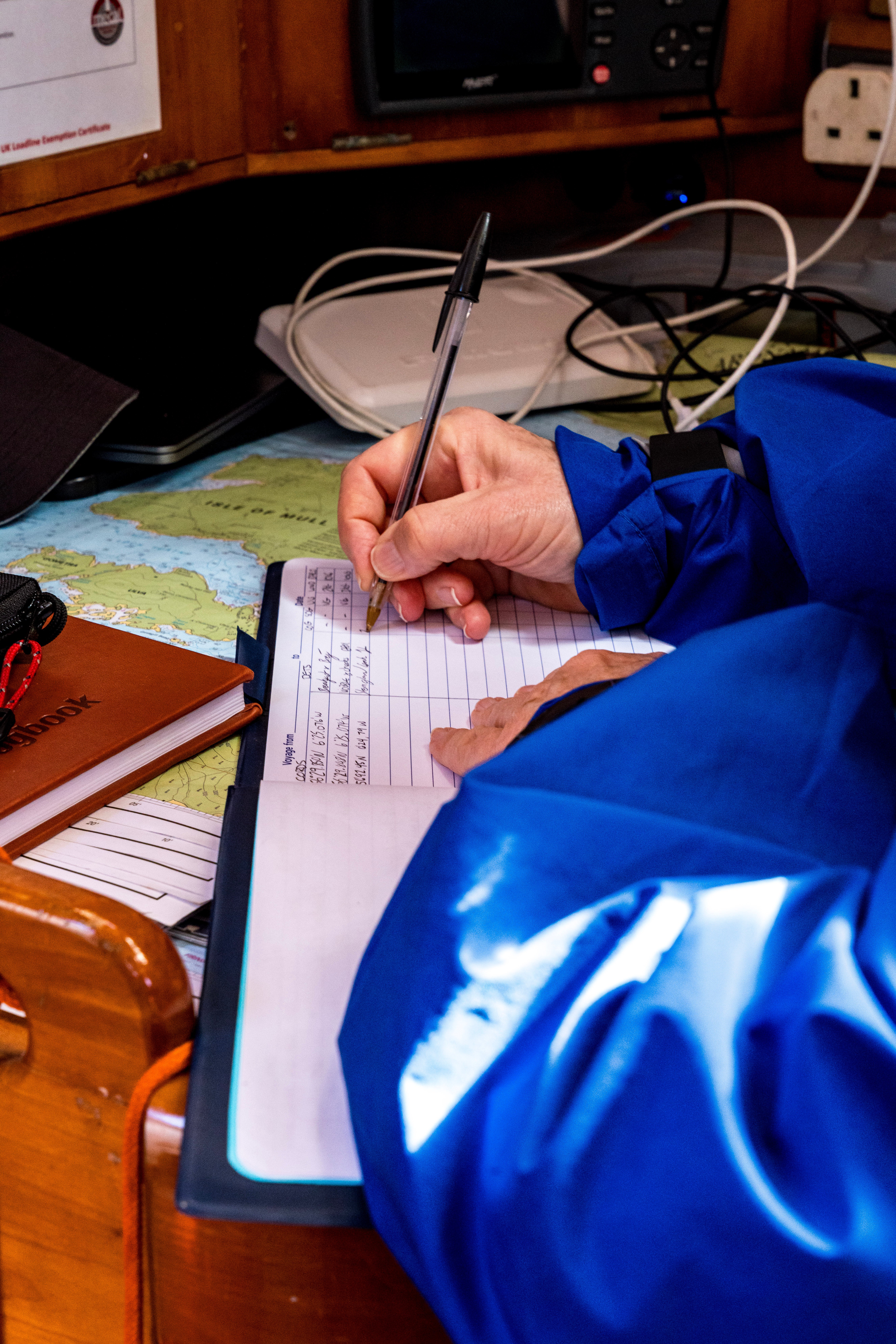 unpredictable gusts and vortexes that whip around the headland. At the last minute the plan was ignored, and we went in too close.
Almost immediately we were hit by ferocious winds. The boat heeled sharply, the main was reefed down, and eventually dropped completely. We battled our way under jib alone to a refuge port. It was exhilarating, but also unnecessary. The safer route had been there all along, in the plan we hadn’t followed.
A good passage plan only works if you stick to it.
How passage planning builds a better crew
Planning affects morale and confidence as much as safety. When everyone knew the plan (where we were heading, the forecast, how we’d berth, what the tides would do) the boat ran smoothly. People were relaxed, fenders were in the right place, and everyone felt prepared.
When information was vague or changed at the last minute, chaos crept in. Lines were too short, fenders were on the wrong side, and tempers frayed. The sailing wasn’t the problem. The lack of clarity was.
For me, that’s the real value of passage planning. It doesn’t just keep you safe, it keeps the crew happy and confident.
How does passage planning work on a Wavysail expedition?
On our ocean trips the importance of preparation multiplies. You may be days offshore with no chance of pulling into a marina to regroup. Miscommunication can erode morale within hours. And when the weather turns, you need to know you’ve already thought through the “what ifs”, because by then it’s too late to start second-guessing.
Whether it’s a week in Croatia, a 45-day South Atlantic crossing to St Helena or the Northwest Passage in 2028, a clear plan lets everyone on board enjoy the experience rather than worry about what might go wrong. Guests don’t need experience to join us. You’ll see the plan made, briefed and followed, and you’ll take part in it at your own level.
See our 2027 adventures and 2028 trips.
Frequently asked questions about passage planning?
What is a passage plan?
A passage plan is a written plan for a voyage from departure to arrival. It covers the route, courses to steer, tides and currents, the weather forecast, hazards, ports of refuge and how the crew will handle the departure and arrival.
What should a passage plan include?
A good plan covers the departure, the route and courses to steer, tidal calculations, the weather forecast and how it might change, an arrival and pilotage plan, and nearby refuge ports if things go wrong. The whole crew should be briefed on it.
Why do sailors stick to the passage plan?
Plans are made with time, charts and a clear head. Changing them at the last minute, as we did at Europa Point, means giving up the safety margins you built in.
Do I need to know how to plan a passage before joining a Wavysail trip?
No. Our trips are open to complete beginners. Your skipper makes and briefs the plan, and you learn by being part of it.
Final reflections
That week in Gibraltar reminded me that passage planning isn’t box-ticking. It’s the skill that underpins safe, confident sailing. Without it, you’re at the mercy of weather, circumstance and poor communication. With it, you give yourself and your crew the best chance of not just surviving the voyage, but enjoying it.
At Wavysail, we build this mindset into every trip, because adventure sailing is about more than the miles. It’s about giving every sailor the skills and confidence to be an active part of the crew.
Ready to learn it at sea? Click here to see our upcoming adventures.